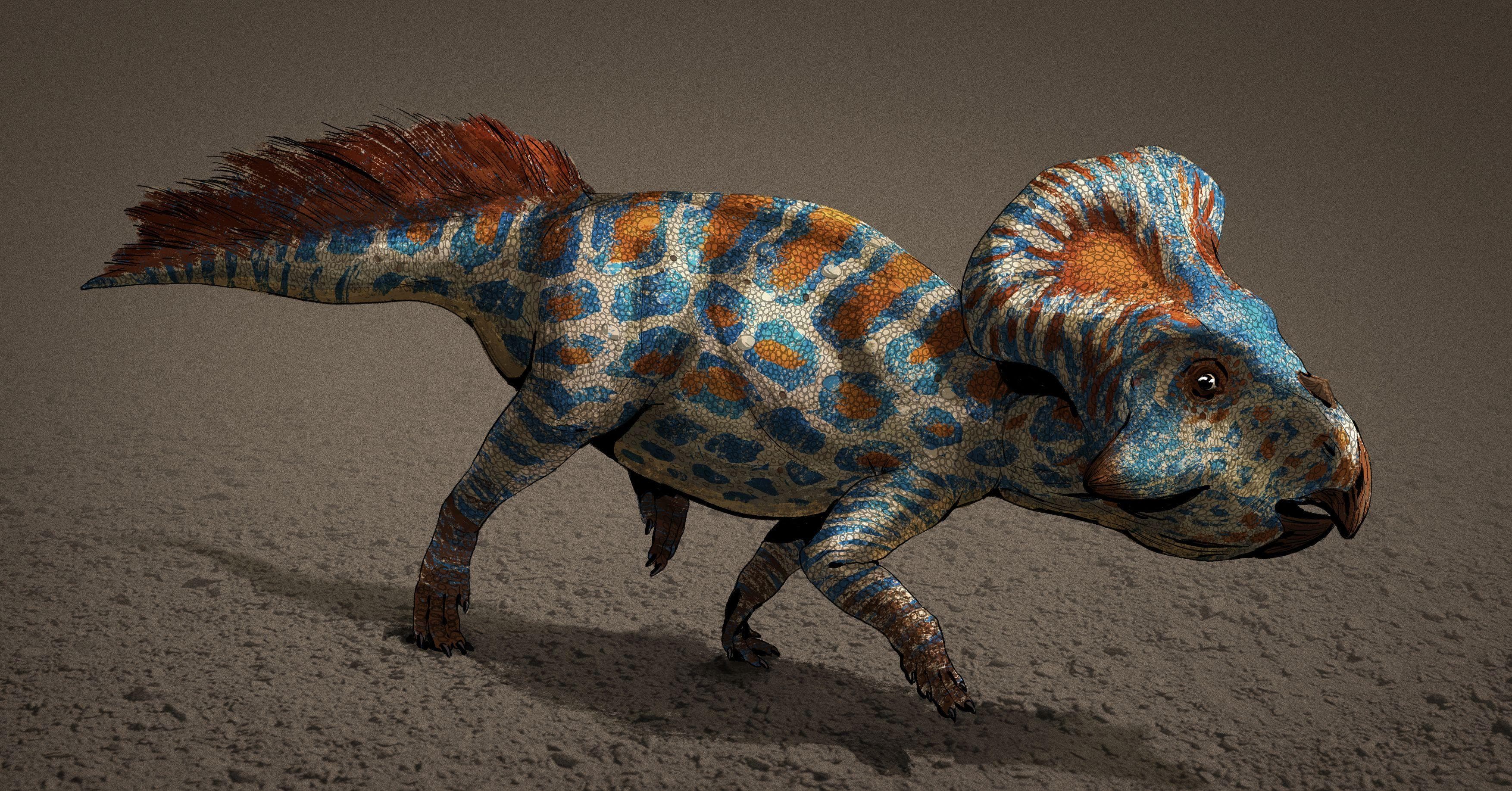
Dinosaurs Printable
Dinosaurs Printable - Nonavian dinosaurs have been extinct for 66 million years, but what would have happened if they'd survived? Why is that a reasonable conclusion? Sink your teeth into extraordinary dinosaur discoveries with the latest dinosaur news, features and articles from live science. Michael, referred to by some as ‘saint michael,’ is a name given to jesus before and after his life on earth. Instead, the idea that dinosaur diversity was declining before the asteroid. Most dinosaurs suddenly went extinct about 66 million years ago after an asteroid struck earth. The space rock that wiped out the dinosaurs 66 million years ago was a rare strike from an asteroid beyond jupiter, a new study details. The history of dinosaurs encompasses a long time period of diverse creatures. How did the dinosaurs go extinct? The first dinosaurs may have evolved near the equator, and not in the southwest of the supercontinent gondwana, as researchers previously assumed due to an abundance of. The space rock that wiped out the dinosaurs 66 million years ago was a rare strike from an asteroid beyond jupiter, a new study details. Dinosaurs weren't in decline when an asteroid smashed into earth and wiped them out, scientists say. Nonavian dinosaurs have been extinct for 66 million years, but what would have happened if they'd survived? The finding pins down the nature of the. Why is that a reasonable conclusion? Instead, the idea that dinosaur diversity was declining before the asteroid. The history of dinosaurs encompasses a long time period of diverse creatures. Most dinosaurs suddenly went extinct about 66 million years ago after an asteroid struck earth. Michael, referred to by some as ‘saint michael,’ is a name given to jesus before and after his life on earth. The first dinosaurs may have evolved near the equator, and not in the southwest of the supercontinent gondwana, as researchers previously assumed due to an abundance of. The first dinosaurs may have evolved near the equator, and not in the southwest of the supercontinent gondwana, as researchers previously assumed due to an abundance of. This piece of art is a reconstruction of a late maastrichtian (~66 million years ago). How did the dinosaurs go extinct? The finding pins down the nature of the. The space rock that. The space rock that wiped out the dinosaurs 66 million years ago was a rare strike from an asteroid beyond jupiter, a new study details. Nonavian dinosaurs have been extinct for 66 million years, but what would have happened if they'd survived? Why is that a reasonable conclusion? Instead, the idea that dinosaur diversity was declining before the asteroid. The. Most dinosaurs suddenly went extinct about 66 million years ago after an asteroid struck earth. Why is that a reasonable conclusion? Nonavian dinosaurs have been extinct for 66 million years, but what would have happened if they'd survived? The history of dinosaurs encompasses a long time period of diverse creatures. Instead, the idea that dinosaur diversity was declining before the. This piece of art is a reconstruction of a late maastrichtian (~66 million years ago). How did the dinosaurs go extinct? Instead, the idea that dinosaur diversity was declining before the asteroid. Nonavian dinosaurs have been extinct for 66 million years, but what would have happened if they'd survived? Why is that a reasonable conclusion? The history of dinosaurs encompasses a long time period of diverse creatures. Nonavian dinosaurs have been extinct for 66 million years, but what would have happened if they'd survived? Most dinosaurs suddenly went extinct about 66 million years ago after an asteroid struck earth. The space rock that wiped out the dinosaurs 66 million years ago was a rare strike. This piece of art is a reconstruction of a late maastrichtian (~66 million years ago). Dinosaurs weren't in decline when an asteroid smashed into earth and wiped them out, scientists say. Instead, the idea that dinosaur diversity was declining before the asteroid. The space rock that wiped out the dinosaurs 66 million years ago was a rare strike from an. Sink your teeth into extraordinary dinosaur discoveries with the latest dinosaur news, features and articles from live science. Why is that a reasonable conclusion? Instead, the idea that dinosaur diversity was declining before the asteroid. How did the dinosaurs go extinct? This piece of art is a reconstruction of a late maastrichtian (~66 million years ago). Dinosaurs weren't in decline when an asteroid smashed into earth and wiped them out, scientists say. Instead, the idea that dinosaur diversity was declining before the asteroid. Sink your teeth into extraordinary dinosaur discoveries with the latest dinosaur news, features and articles from live science. The first dinosaurs may have evolved near the equator, and not in the southwest of. The history of dinosaurs encompasses a long time period of diverse creatures. The first dinosaurs may have evolved near the equator, and not in the southwest of the supercontinent gondwana, as researchers previously assumed due to an abundance of. How did the dinosaurs go extinct? The finding pins down the nature of the. This piece of art is a reconstruction. The finding pins down the nature of the. Instead, the idea that dinosaur diversity was declining before the asteroid. The first dinosaurs may have evolved near the equator, and not in the southwest of the supercontinent gondwana, as researchers previously assumed due to an abundance of. The history of dinosaurs encompasses a long time period of diverse creatures. Sink your. The history of dinosaurs encompasses a long time period of diverse creatures. The finding pins down the nature of the. Why is that a reasonable conclusion? How did the dinosaurs go extinct? Most dinosaurs suddenly went extinct about 66 million years ago after an asteroid struck earth. Instead, the idea that dinosaur diversity was declining before the asteroid. The space rock that wiped out the dinosaurs 66 million years ago was a rare strike from an asteroid beyond jupiter, a new study details. Nonavian dinosaurs have been extinct for 66 million years, but what would have happened if they'd survived? The first dinosaurs may have evolved near the equator, and not in the southwest of the supercontinent gondwana, as researchers previously assumed due to an abundance of. Dinosaurs weren't in decline when an asteroid smashed into earth and wiped them out, scientists say.
Dinosaur extinction facts and information National Geographic
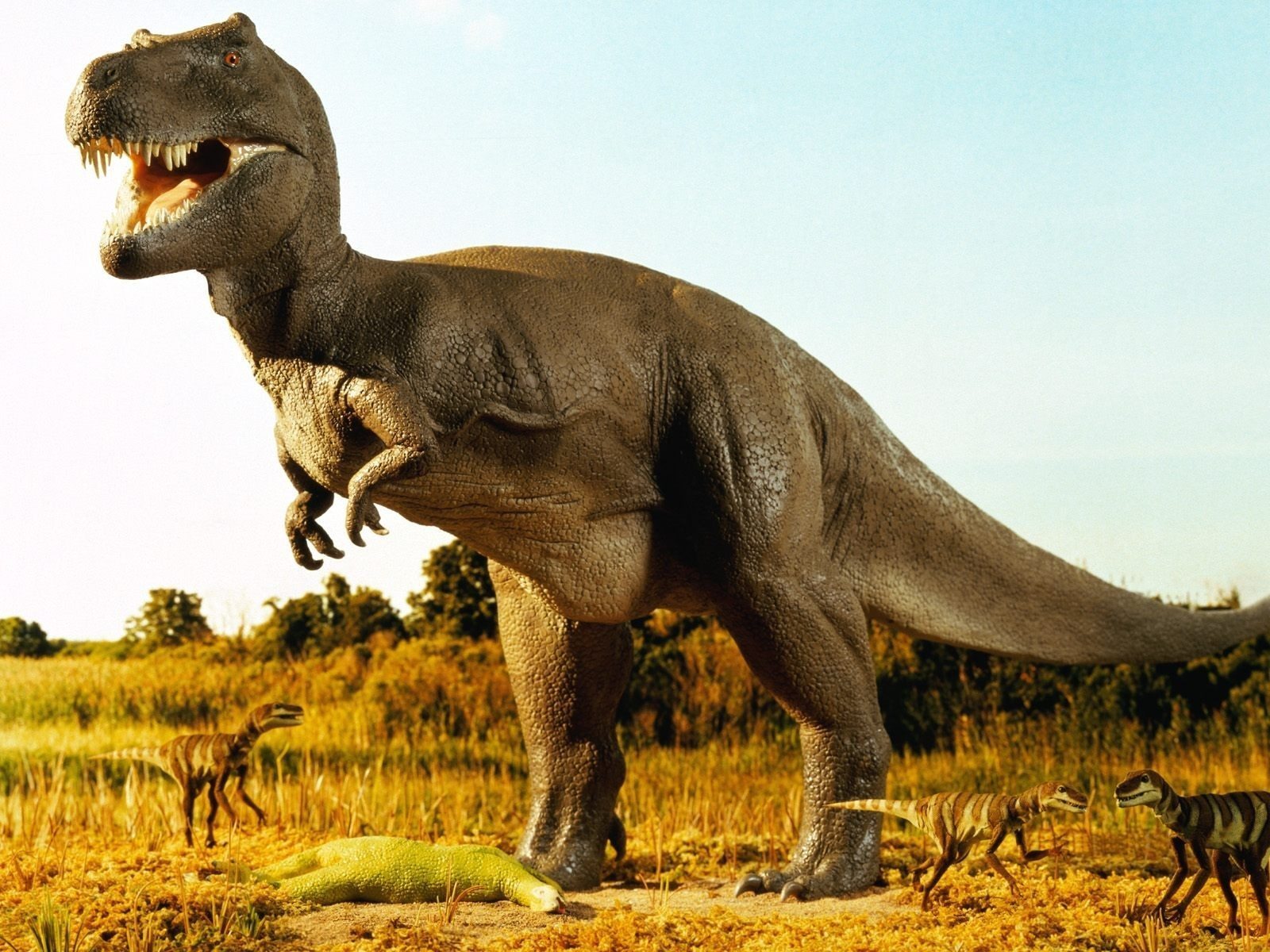
Images Of Dinosaurs at Izola Lawler blog
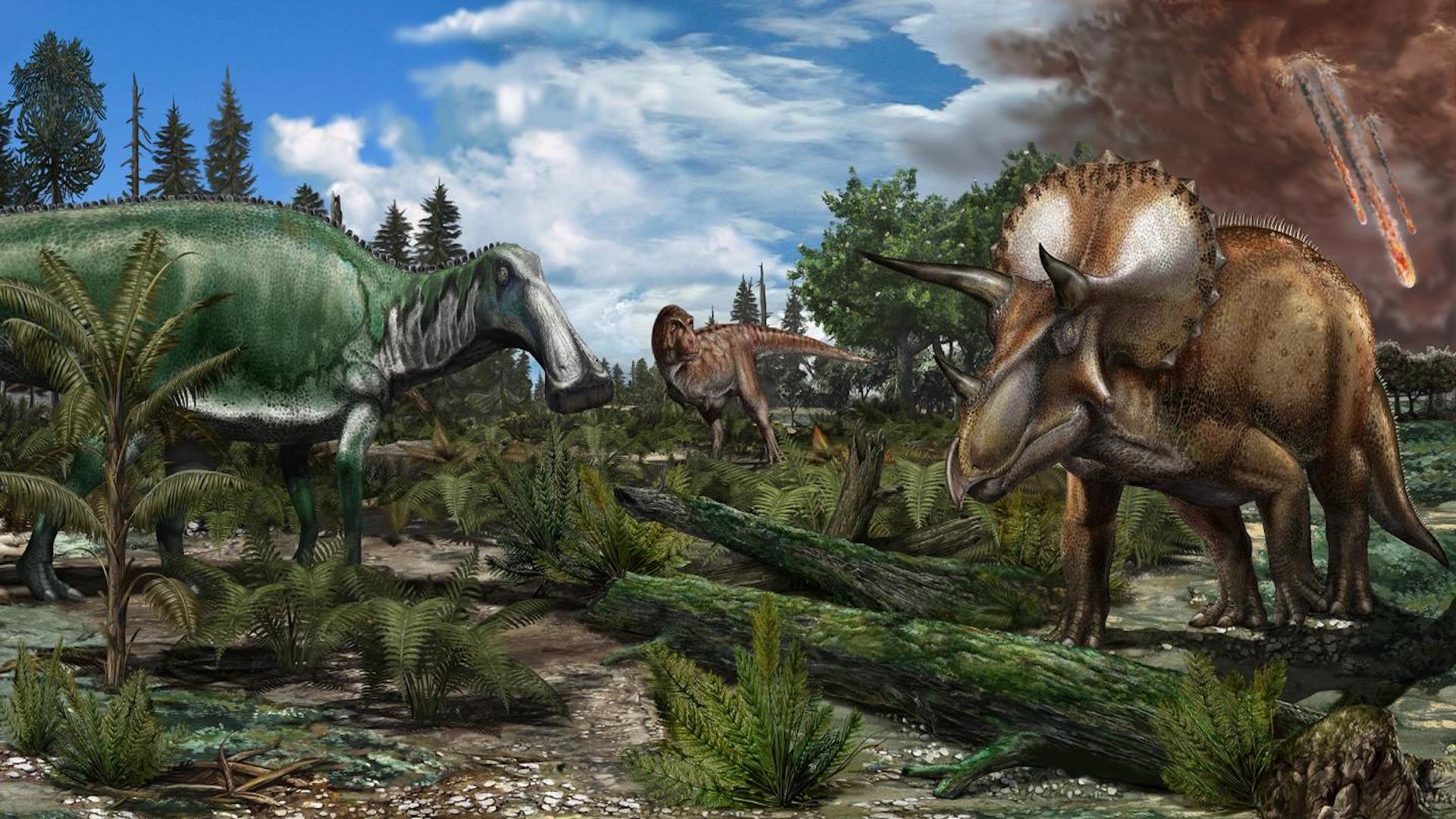
Dinosaurs On Earth Timeline

Dinosaurs ‑ Extinction, Timeline & Definition

Fossils highlight dinosaur diversity in prehistoric Patagonia
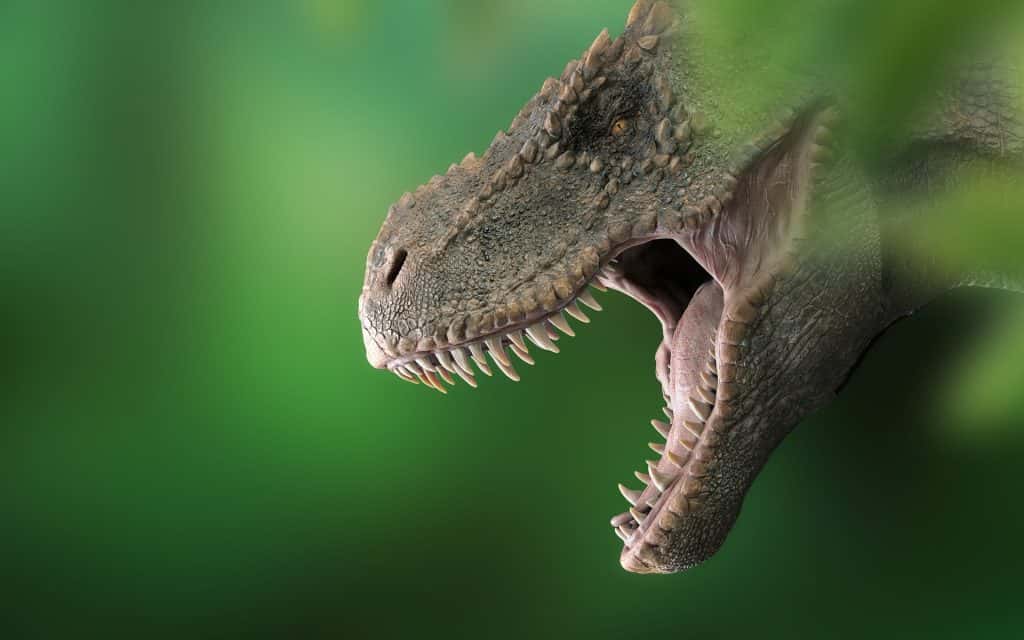
Facts About Dinosaurs

Dinosaurs Article, Dinosaur Modeling Information, Facts National
What Dinosaurs Really Looked Like, According to Scientists
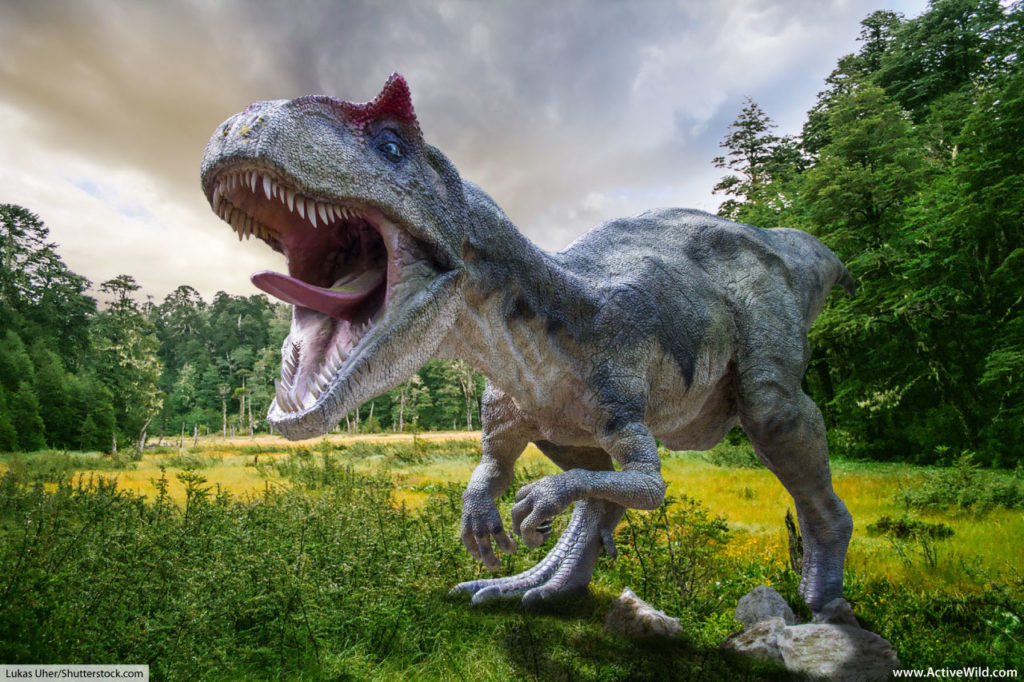
Dinosaur Chart With Names
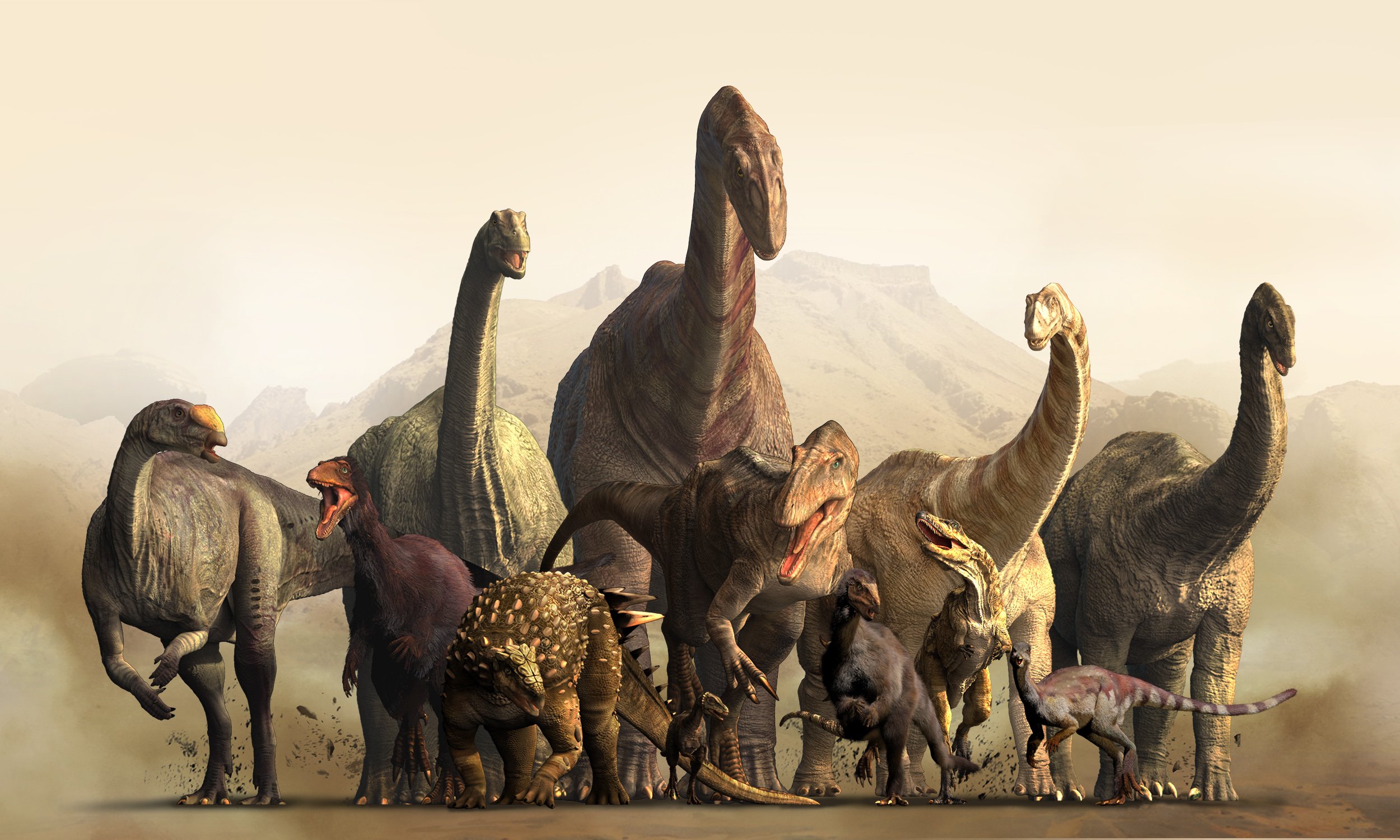
Images Of Dinosaurs at Izola Lawler blog
Michael, Referred To By Some As ‘Saint Michael,’ Is A Name Given To Jesus Before And After His Life On Earth.
This Piece Of Art Is A Reconstruction Of A Late Maastrichtian (~66 Million Years Ago).
Sink Your Teeth Into Extraordinary Dinosaur Discoveries With The Latest Dinosaur News, Features And Articles From Live Science.
Related Post: