
Colour By Number Printable
Colour By Number Printable - Though color is not an inherent property of matter,. The pleasant effect of a bright colour or of a lot of…. Is it color or colour? Color (or colour in commonwealth english; Primary colors can be mixed to make other. These variations represent distinct dialects: Color aligns with american english, while colour is used in british. There isn’t any right or wrong. As a noun, the word refers to the various shades of visible light reflected back to the eye from a surface. Color theory is the art and science of using color. Colour is how we describe the visible features of an object by its hue, lightness, and saturation. As a noun, the word refers to the various shades of visible light reflected back to the eye from a surface. Is it color or colour? Color and colour both refer to each of the various hues and shades that you see when light hits your eyes. See spelling differences) is the visual perception based on the electromagnetic spectrum. Color (or colour in commonwealth english; See spelling differences) is a property of light. These variations represent distinct dialects: In physics, we identify colour by measuring a range of wavelengths known as the visible. Primary colors can be mixed to make other. The following are the most common color names: Colour is how we describe the visible features of an object by its hue, lightness, and saturation. There isn’t any right or wrong. Color (or colour in commonwealth english; Red, blue, green, yellow, etc.: See spelling differences) is the visual perception based on the electromagnetic spectrum. The following are the most common color names: Color (or colour in commonwealth english; Red, blue, green, yellow, etc.: Primary colors can be mixed to make other. The meaning of colour is chiefly british spelling of color. Though color is not an inherent property of matter,. It explains how humans perceive color (both physically and psychologically) and how colors mix, match, and contrast with one. Color theory is the art and science of using color. When a person views an opaque coloured object, it is only the. See spelling differences) is the visual perception based on the electromagnetic spectrum. Primary colors can be mixed to make other. When a person views an opaque coloured object, it is only the light reflected from the object that can activate the visual process in the eye and brain. Color and colour are alternative spellings of the same word. Color (or. These variations represent distinct dialects: Colour is how we describe the visible features of an object by its hue, lightness, and saturation. There isn’t any right or wrong. It explains how humans perceive color (both physically and psychologically) and how colors mix, match, and contrast with one. Color theory is the art and science of using color. The main difference between color and colour is their spelling. Red, blue, green, yellow, etc.: When a person views an opaque coloured object, it is only the light reflected from the object that can activate the visual process in the eye and brain. It explains how humans perceive color (both physically and psychologically) and how colors mix, match, and contrast. When a person views an opaque coloured object, it is only the light reflected from the object that can activate the visual process in the eye and brain. Color theory is the art and science of using color. See spelling differences) is the visual perception based on the electromagnetic spectrum. Primary colors can be mixed to make other. The pleasant. Color aligns with american english, while colour is used in british. There isn’t any right or wrong. As a noun, the word refers to the various shades of visible light reflected back to the eye from a surface. The meaning of colour is chiefly british spelling of color. See spelling differences) is the visual perception based on the electromagnetic spectrum. When a person views an opaque coloured object, it is only the light reflected from the object that can activate the visual process in the eye and brain. See spelling differences) is a property of light. As a noun, the word refers to the various shades of visible light reflected back to the eye from a surface. Color and colour. The following are the most common color names: Color aligns with american english, while colour is used in british. As a noun, the word refers to the various shades of visible light reflected back to the eye from a surface. Primary colors can be mixed to make other. Red, blue, green, yellow, etc.: Red, blue, green, yellow, etc.: There isn’t any right or wrong. When a person views an opaque coloured object, it is only the light reflected from the object that can activate the visual process in the eye and brain. Color aligns with american english, while colour is used in british. The pleasant effect of a bright colour or of a lot of…. Colour is how we describe the visible features of an object by its hue, lightness, and saturation. As a noun, the word refers to the various shades of visible light reflected back to the eye from a surface. Color (or colour in commonwealth english; The main difference between color and colour is their spelling. See spelling differences) is a property of light. In physics, we identify colour by measuring a range of wavelengths known as the visible. Is it color or colour? These variations represent distinct dialects: Color and colour are alternative spellings of the same word. The meaning of colour is chiefly british spelling of color. Primary colors can be mixed to make other.
Children's Color By Number Printable PDF Printable Coloring, 52 OFF
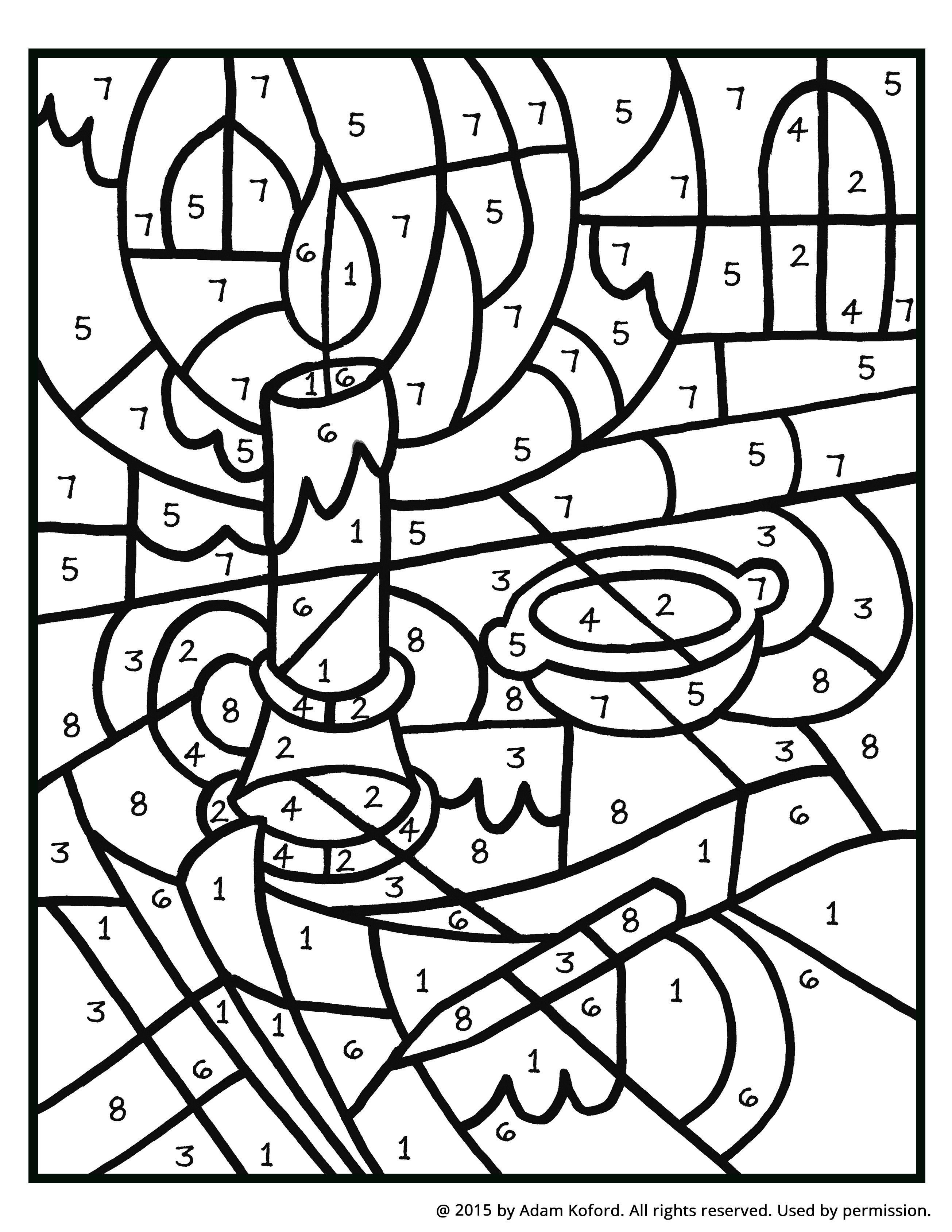
Printable Color By Number

Kindergarten Color By Number Printable prntbl.concejomunicipaldechinu

Printable Color By Number Winter

Free Printable Color By Number Worksheets

Printable Color By Number Coloring Pages

Printable Colour By Number Pages

Colour By Number Printable
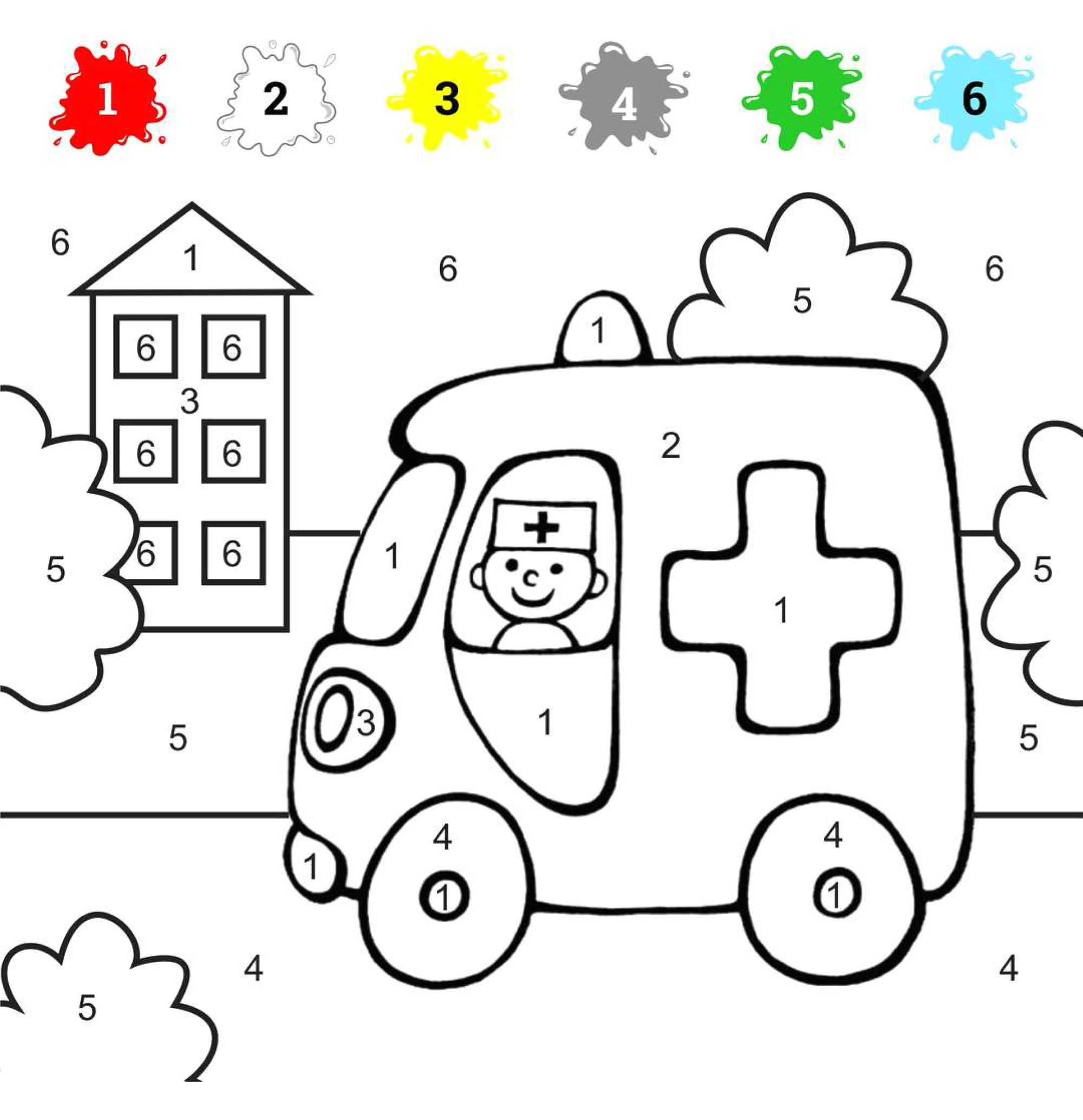
Colour By Number Sheets
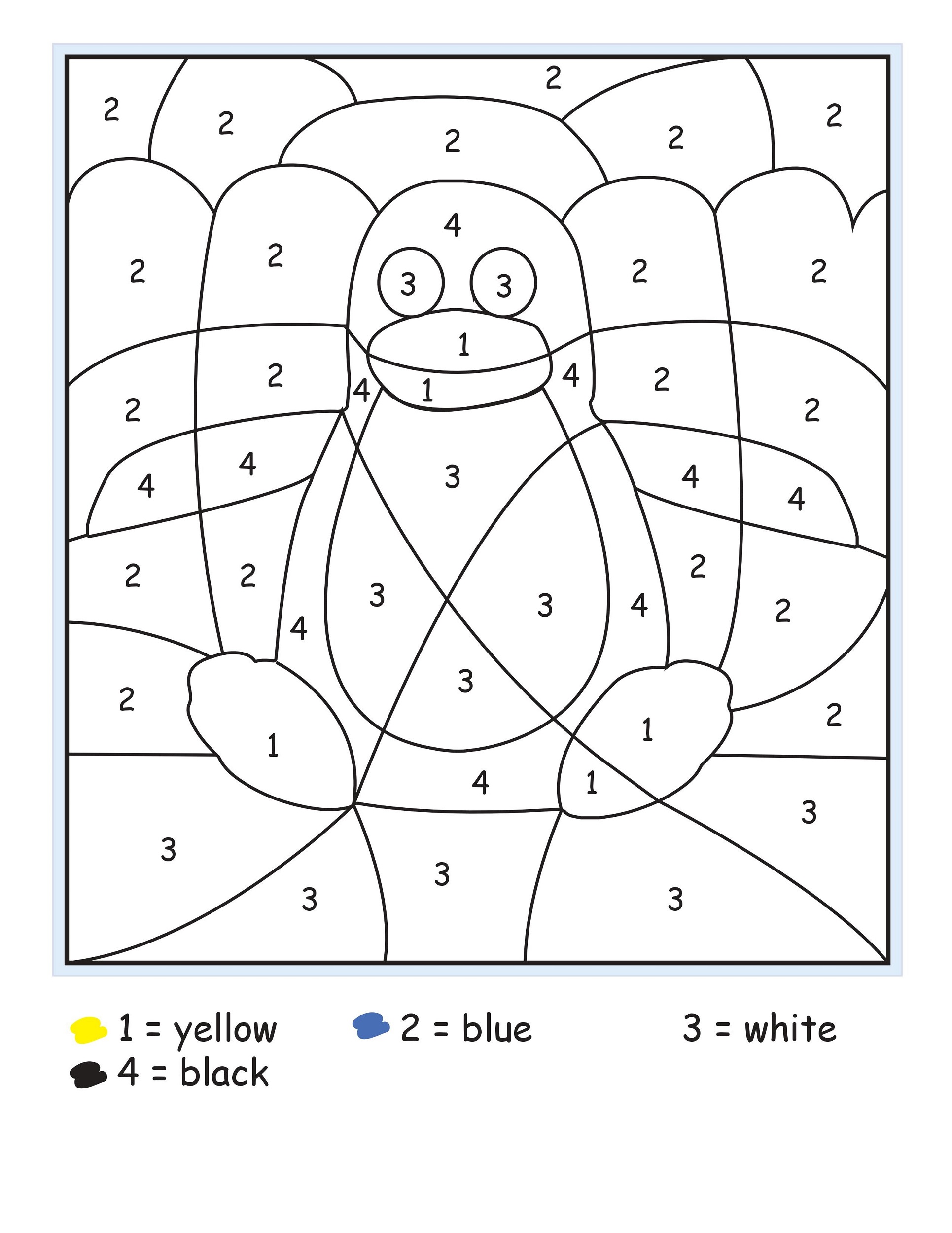
Simple Color By Number Printables
Color Theory Is The Art And Science Of Using Color.
Though Color Is Not An Inherent Property Of Matter,.
See Spelling Differences) Is The Visual Perception Based On The Electromagnetic Spectrum.
It Explains How Humans Perceive Color (Both Physically And Psychologically) And How Colors Mix, Match, And Contrast With One.
Related Post: